
xGTT STANDARD
The Global Trusted Tech (xGTT) Standard
The Global Trusted Tech (xGTT) Standard
Technology has immense potential to enhance the human condition, but it can also lead to unintended consequences and be weaponized by authoritarian regimes and malign actors. Ensuring the trustworthiness of technology is essential to preserving a free, open, secure and prosperous world.
Technology has immense potential to enhance the human condition, but it can also lead to unintended consequences and be weaponized by authoritarian regimes and malign actors. Ensuring the trustworthiness of technology is essential to preserving a free, open, secure and prosperous world.

ABOUT THE xGTT STANDARD
The xGTT Standard is the world’s first unified framework for evaluating and labeling Trusted Technology.
It provides governments, companies, and partners with a shared, voluntary, market-driven benchmark for trust - enabling faster, more reliable collaboration across borders and sectors. Grounded in the Trusted Technology Doctrine, xGTT translates core principles such as integrity, accountability, transparency, and respect for human dignity and national sovereignty into operational standards that support real-world decision-making.
Development
Technology Development focuses on whether organizations innovate in ways that support predictable, rules-based commerce and long-term participation in trusted global markets.


Deployment
Technology Deployment assesses whether technologies are deployed in ways that support resilience, security, and interoperability among trusted partners.
Governance
Governance focuses on whether organizations are structured and operated in ways that enable confidence, transparency, and durable collaboration among trusted partners.

ABOUT THE xGTT STANDARD
The xGTT Standard is the world’s first unified framework for evaluating and labeling Trusted Technology.
It provides governments, companies, and partners with a shared, voluntary, market-driven benchmark for trust - enabling faster, more reliable collaboration across borders and sectors. Grounded in the Trusted Technology Doctrine, xGTT translates core principles such as integrity, accountability, transparency, and respect for human dignity and national sovereignty into operational standards that support real-world decision-making.
Development
Technology Development focuses on whether organizations innovate in ways that support predictable, rules-based commerce and long-term participation in trusted global markets.
Deployment
Technology Deployment assesses whether technologies are deployed in ways that support resilience, security, and interoperability among trusted partners.
Governance
Governance focuses on whether organizations are structured and operated in ways that enable confidence, transparency, and durable collaboration among trusted partners.
ABOUT THE xGTT STANDARD
The xGTT Standard is the world’s first unified framework for evaluating and labeling Trusted Technology.
It provides governments, companies, and partners with a shared, voluntary, market-driven benchmark for trust - enabling faster, more reliable collaboration across borders and sectors. Grounded in the Trusted Technology Doctrine, xGTT translates core principles such as integrity, accountability, transparency, and respect for human dignity and national sovereignty into operational standards that support real-world decision-making.
Development
Technology Development focuses on whether organizations innovate in ways that support predictable, rules-based commerce and long-term participation in trusted global markets.
Deployment
Technology Deployment assesses whether technologies are deployed in ways that support resilience, security, and interoperability among trusted partners.
Governance
Governance focuses on whether organizations are structured and operated in ways that enable confidence, transparency, and durable collaboration among trusted partners.
WHO IS IT FOR?
A Shared Standard For Governments, Companies, and Trusted Partners.
The Global Trusted Tech (xGTT) Standard is designed for governments, companies, and organizations that need a clear, credible way to assess and signal trust in an increasingly contested technology environment.
Governments
Governments use xGTT to align policy, procurement, and cooperation around trusted technologies, reduce risk in public-sector adoption, and strengthen collaboration with trusted private-sector partners.
Companies
Companies use xGTT to demonstrate trustworthy development and deployment, reduce friction in global markets, and engage more effectively with governments and allies on adoption and standards.
Partners
Partners and investors use xGTT as a common benchmark for trust, readiness, and risk—supporting faster decision-making and cross-border collaboration.
WHO IS IT FOR?
A Shared Standard For Governments, Companies, and Trusted Partners.
The Global Trusted Tech (xGTT) Standard is designed for governments, companies, and organizations that need a clear, credible way to assess and signal trust in an increasingly contested technology environment.
Governments
Governments use xGTT to align policy, procurement, and cooperation around trusted technologies, reduce risk in public-sector adoption, and strengthen collaboration with trusted private-sector partners.
Companies
Companies use xGTT to demonstrate trustworthy development and deployment, reduce friction in global markets, and engage more effectively with governments and allies on adoption and standards.
Partners
Partners and investors use xGTT as a common benchmark for trust, readiness, and risk—supporting faster decision-making and cross-border collaboration.
WHO IS IT FOR?
A Shared Standard For Governments, Companies, and Trusted Partners.
The Global Trusted Tech (xGTT) Standard is designed for governments, companies, and organizations that need a clear, credible way to assess and signal trust in an increasingly contested technology environment.
Governments
Governments use xGTT to align policy, procurement, and cooperation around trusted technologies, reduce risk in public-sector adoption, and strengthen collaboration with trusted private-sector partners.
Companies
Companies use xGTT to demonstrate trustworthy development and deployment, reduce friction in global markets, and engage more effectively with governments and allies on adoption and standards.
Partners
Partners and investors use xGTT as a common benchmark for trust, readiness, and risk—supporting faster decision-making and cross-border collaboration.
By providing a shared benchmark for trust, xGTT reduces friction, accelerates adoption, and enables trusted partners to collaborate at speed in support of freedom and prosperity.
By providing a shared benchmark for trust, xGTT reduces friction, accelerates adoption, and enables trusted partners to collaborate at speed in support of freedom and prosperity.
By providing a shared benchmark for trust, xGTT reduces friction, accelerates adoption, and enables trusted partners to collaborate at speed in support of freedom and prosperity.
TRUSTED TECHNOLOGY DOCTRINE
The Principles That Underpin The Global Trusted Tech (xGTT) Standard.

As technology becomes central to modern relationships, its trustworthiness becomes essential. The Trusted Technology Doctrine reflects a shared commitment—across government, industry, academia, and civil society—to principles that guide the innovation, deployment, and adoption of critical and emerging technologies so they serve their highest purpose: the advancement of human freedom.
01
Advance Freedom
02
Protect Human Rights
03
Respect Privacy
04
Operate Under The Rule of Law
05
Safeguard Intellectual Property
06
Maintain Human Oversight
07
Be Transparent
08
Follow Scientific Values
09
Protect The Environment
10
Respect National Sovereignty
TRUSTED TECHNOLOGY DOCTRINE
The Principles That Underpin The Global Trusted Tech (xGTT) Standard.
As technology becomes central to modern relationships, its trustworthiness becomes essential. The Trusted Technology Doctrine reflects a shared commitment—across government, industry, academia, and civil society—to principles that guide the innovation, deployment, and adoption of critical and emerging technologies so they serve their highest purpose: the advancement of human freedom.
01
Advance Freedom
02
Protect Human Rights
03
Respect Privacy
04
Operate Under The Rule of Law
05
Safeguard Intellectual Property
06
Maintain Human Oversight
07
Be Transparent
08
Follow Scientific Values
09
Protect The Environment
10
Respect National Sovereignty
TRUSTED TECHNOLOGY DOCTRINE
The Principles That Underpin The Global Trusted Tech (xGTT) Standard.
As technology becomes central to modern relationships, its trustworthiness becomes essential. The Trusted Technology Doctrine reflects a shared commitment—across government, industry, academia, and civil society—to principles that guide the innovation, deployment, and adoption of critical and emerging technologies so they serve their highest purpose: the advancement of human freedom.
01
Advance Freedom
02
Protect Human Rights
03
Respect Privacy
04
Operate Under The Rule of Law
05
Safeguard Intellectual Property
06
Maintain Human Oversight
07
Be Transparent
08
Follow Scientific Values
09
Protect The Environment
10
Respect National Sovereignty
xGTT BOARD OF GOVERNORS
The xGTT Standard is guided by an international Board of Governors chaired by Taiwan’s Cyber Ambassador-at-Large, Audrey Tang, and composed of renowned leaders from government, industry, academia, national security, and civil society.
This group brings real-world experience in technology, industry, and standard-setting, providing strategic guidance to ensure the xGTT Standard is practical, principled, and usable by governments and companies in real-world settings.

Audrey Tang
Taiwan’s Cyber Ambassador-at-Large (Chair)
Government of Taiwan

Roberto Baldoni
Founder and First General Director
National Cybersecurity Agency of Italy

Isabel Cane
Former Head of Trust in Business Initiative & Blue Dot Network
OECD / Blue Dot Network

Alex Capri
Senior Fellow and Lecturer
NUS Business School

Dan DeLaurentis
EVP for Research, Bruce Reese Professor of Aeronautics and Astronautics
Purdue University

Rick Echevarria
Former Vice President
Intel

Obiageli “Oby” Ezekwesili
Former Vice President (Africa Region)
World Bank

Fernando Garibay
Founder & CEO
The Garibay Institute

Melanie Garson
Associate Professor in International Security
University College London
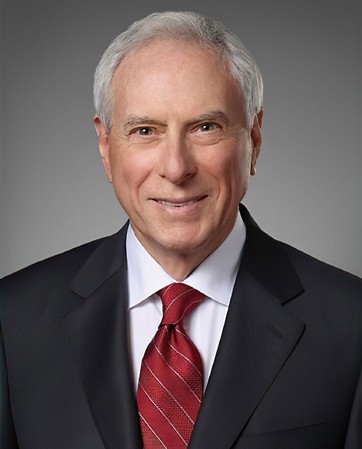
Dan Goldin
Former Administrator
NASA

Yasmin Green
CEO
Jigsaw

Takashi Oda
Director, Business Strategy
NTT

Roman Pačka
Chief Advisor to the Director
National Cyber and Info Security Agency of Czech Republic

Heather Petersen
Former Head of Trust Strategy & Marketing
DocuSign

David Roberts
Former Chief Innovation Officer
State of Indiana

Harsh Shringla
Former Foreign Secretary & Ambassador to U.S.
Government of India

Tom Sonderman
CEO
SkyWater Technology Foundry

Yigal Unna
Former Director General
Israel National Cyber Directorate

Ken Urquhart
Former Global VP, 5G Strategy
Zscaler
xGTT BOARD OF GOVERNORS
The xGTT Standard is guided by an international Board of Governors chaired by Taiwan’s Cyber Ambassador-at-Large, Audrey Tang, and composed of renowned leaders from government, industry, academia, national security, and civil society.
This group brings real-world experience in technology, industry, and standard-setting, providing strategic guidance to ensure the xGTT Standard is practical, principled, and usable by governments and companies in real-world settings.
Audrey Tang
Taiwan’s Cyber Ambassador-at-Large (Chair)
Government of Taiwan
Roberto Baldoni
Founder and First General Director
National Cybersecurity Agency of Italy
Isabel Cane
Former Head of Trust in Business Initiative & Blue Dot Network
OECD / Blue Dot Network
Alex Capri
Senior Fellow and Lecturer
NUS Business School
Dan DeLaurentis
EVP for Research, Bruce Reese Professor of Aeronautics and Astronautics
Purdue University
Rick Echevarria
Former Vice President
Intel
Obiageli “Oby” Ezekwesili
Former Vice President (Africa Region)
World Bank
Fernando Garibay
Founder & CEO
The Garibay Institute
Melanie Garson
Associate Professor in International Security
University College London
Dan Goldin
Former Administrator
NASA
Yasmin Green
CEO
Jigsaw
Takashi Oda
Director, Business Strategy
NTT
Roman Pačka
Chief Advisor to the Director
National Cyber and Info Security Agency of Czech Republic
Heather Petersen
Former Head of Trust Strategy & Marketing
DocuSign
David Roberts
Former Chief Innovation Officer
State of Indiana
Harsh Shringla
Former Foreign Secretary & Ambassador to U.S.
Government of India
Tom Sonderman
CEO
SkyWater Technology Foundry
Yigal Unna
Former Director General
Israel National Cyber Directorate
Ken Urquhart
Former Global VP, 5G Strategy
Zscaler
xGTT BOARD OF GOVERNORS
The xGTT Standard is guided by an international Board of Governors chaired by Taiwan’s Cyber Ambassador-at-Large, Audrey Tang, and composed of renowned leaders from government, industry, academia, national security, and civil society.
This group brings real-world experience in technology, industry, and standard-setting, providing strategic guidance to ensure the xGTT Standard is practical, principled, and usable by governments and companies in real-world settings.
Audrey Tang
Taiwan’s Cyber Ambassador-at-Large (Chair)
Government of Taiwan
Roberto Baldoni
Founder and First General Director
National Cybersecurity Agency of Italy
Isabel Cane
Former Head of Trust in Business Initiative & Blue Dot Network
OECD / Blue Dot Network
Alex Capri
Senior Fellow and Lecturer
NUS Business School
Dan DeLaurentis
EVP for Research, Bruce Reese Professor of Aeronautics and Astronautics
Purdue University
Rick Echevarria
Former Vice President
Intel
Obiageli “Oby” Ezekwesili
Former Vice President (Africa Region)
World Bank
Fernando Garibay
Founder & CEO
The Garibay Institute
Melanie Garson
Associate Professor in International Security
University College London
Dan Goldin
Former Administrator
NASA
Yasmin Green
CEO
Jigsaw
Takashi Oda
Director, Business Strategy
NTT
Roman Pačka
Chief Advisor to the Director
National Cyber and Info Security Agency of Czech Republic
Heather Petersen
Former Head of Trust Strategy & Marketing
DocuSign
David Roberts
Former Chief Innovation Officer
State of Indiana
Harsh Shringla
Former Foreign Secretary & Ambassador to U.S.
Government of India
Tom Sonderman
CEO
SkyWater Technology Foundry
Yigal Unna
Former Director General
Israel National Cyber Directorate
Ken Urquhart
Former Global VP, 5G Strategy
Zscaler